Tattoo Balm for Sensitive Skin: What to Look For
How to choose a tattoo balm if you have sensitive skin: what to look for, how to patch test, signs of a reaction, and when to see a dermatologist.

General information, not medical advice. Always follow the aftercare instructions your tattoo artist gives you, and talk to a doctor or dermatologist if you are worried about your skin. Last updated October 2026.
The short answer
If your skin is sensitive, look for a fragrance-free, dye-free balm with a short ingredient list you recognize, avoid anything you know you react to, patch test first, and use a thin layer. Reactions can appear at any time, so watch your skin and speak to a dermatologist if something does not settle.
What to look for
- Fragrance-free. Cleveland Clinic recommends fragrance-free products without perfumes or dyes, and University of Utah Health advises avoiding scented lotions and alcohol-based cleansers.
- Dye-free. WebMD suggests dye-free and fragrance-free creams to reduce the chance of irritation.
- A short, readable ingredient list. It is easier to spot what you react to.
- Known allergens listed clearly. Nut-derived oils such as sweet almond oil are a common one. WebMD also says to tell your artist if you have allergies to petrolatum or antibacterial products.
- Nothing you have reacted to before. If a lotion or soap has ever irritated you, check for those ingredients.
How to patch test a balm
- Choose a small area of healthy skin away from the tattoo, such as the inner forearm.
- Apply a small amount and leave it for 24 hours.
- If you see redness, itching, bumps or swelling, do not use it on your tattoo.
- If the skin looks normal, start with a thin layer on the tattoo and watch how it responds.
Normal healing or a reaction?
Some redness, swelling, soreness, clear fluid, itching, flaking and scabs can be part of normal healing, according to the American Academy of Dermatology. A reaction looks different. The AAD lists signs that include:
- Redness and swelling
- Itch
- Small pimple-like bumps
- Raised, scaly patches or deep lumps
- Blisters
- Skin that crusts or flakes off, or watery fluid leaking from the area
The AAD notes that most people who develop an allergy to ink react to a specific color, and that an allergic reaction can happen immediately, weeks later, or years or decades afterward. If you have a serious reaction, seek medical care right away.
University of Utah Health says as many as 10% of people with tattoos have painful or itchy reactions, and about 6% have a chronic reaction lasting more than four months. See a doctor if itching or discomfort lasts more than a few weeks.
If you have a skin condition
The AAD notes that getting a tattoo can trigger skin conditions such as psoriasis or eczema in or around the tattoo, most often within 10 to 20 days. If you have a skin condition, or a history of strong reactions to products, talk to a dermatologist before choosing aftercare.
What is in our balm
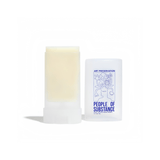
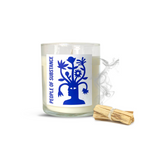
Our Tattoo Balm Jar is fragrance-free. Its ingredients are: caprylic/capric triglyceride, grape seed oil, sweet almond oil, apricot kernel oil, castor wax, ozokerite (a mineral wax), hemp seed oil, argan kernel oil, carnauba wax and castor seed oil. It contains sweet almond oil and argan kernel oil, so talk to your doctor first if you have a nut allergy. See our ingredients page, and our guide to aftercare for different skin types.
When to see a dermatologist
- A reaction that lasts longer than a week or two, or keeps coming back
- Bumps, blisters, or a rash that spreads beyond the tattoo
- Itching that does not settle after a few weeks
- Any signs of infection: fever, skin that feels hot to the touch, odor or significant drainage, or pain that gets worse
Frequently asked questions
Can I be allergic to tattoo aftercare products?
Yes. Any product can irritate or trigger an allergy, even a gentle one. That is why a patch test and a short ingredient list help.
Is fragrance-free enough for sensitive skin?
It is a good start, but not a guarantee. Check the full ingredient list for anything you know you react to.
What if my tattoo itches?
Itching and flaking are common during healing. Pat the area gently instead of scratching. See our guide to peeling, itching and scabbing. If it is severe, or comes with a rash, bumps or swelling, contact your artist or a dermatologist.
Should I switch products if my skin reacts?
Stop using the product that you suspect, rinse gently with lukewarm water and mild soap, and ask your artist or a dermatologist what to use instead. Change one product at a time so you can tell what is responsible.
Sources
- American Academy of Dermatology: Tattoos: 7 unexpected skin reactions and what to do about them
- University of Utah Health: Think Before You Ink: Tattoos and Adverse Skin Reactions
- Cleveland Clinic: Tattoo Aftercare: Instructions and Healing Tips
- WebMD: Tattoo Aftercare: How To Take Care of a New Tattoo